Fresh ideas.
Deep roots.
18 guides to help you explore organic farming and build your understanding, one practice at a time.
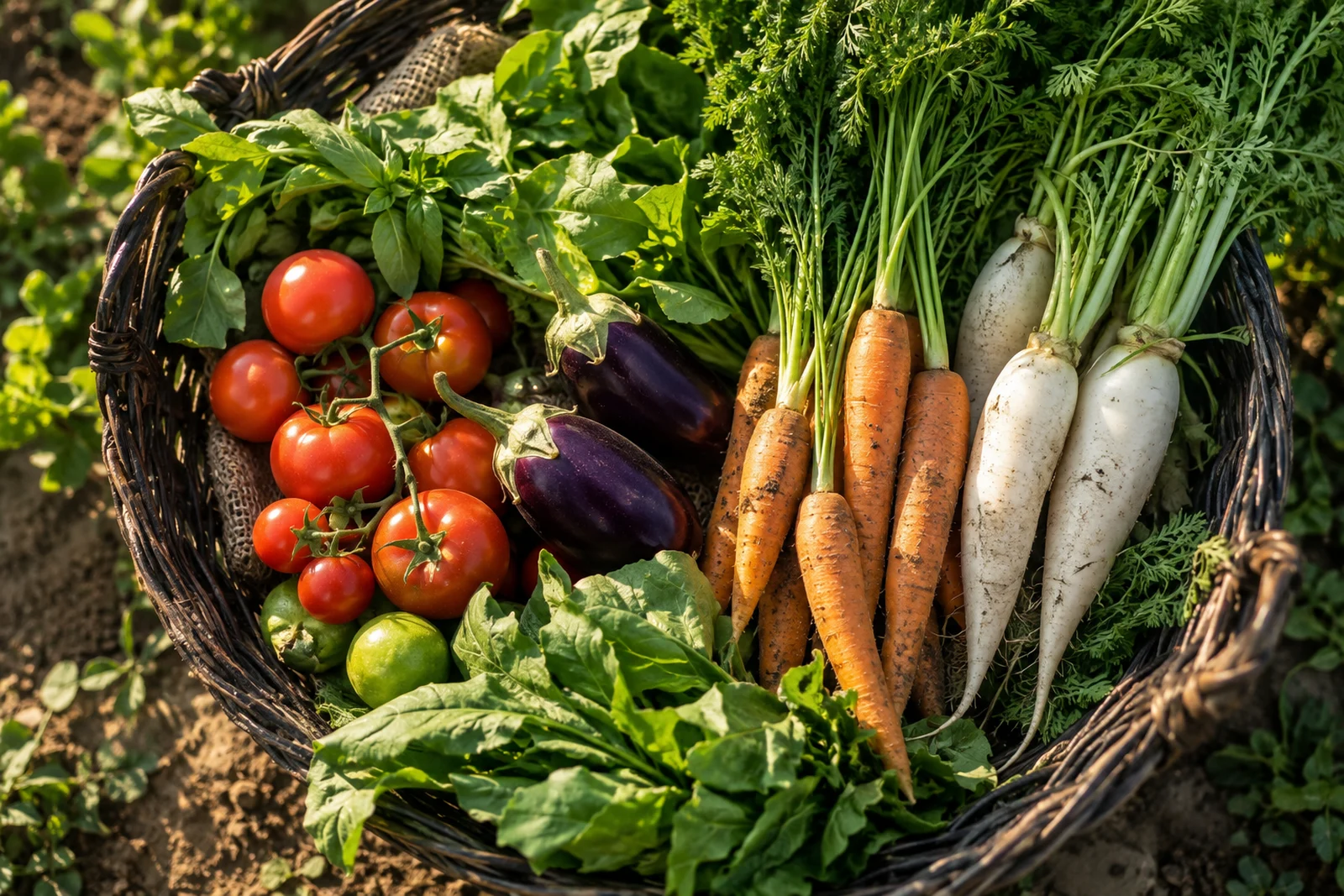 GROW WITH NATURE
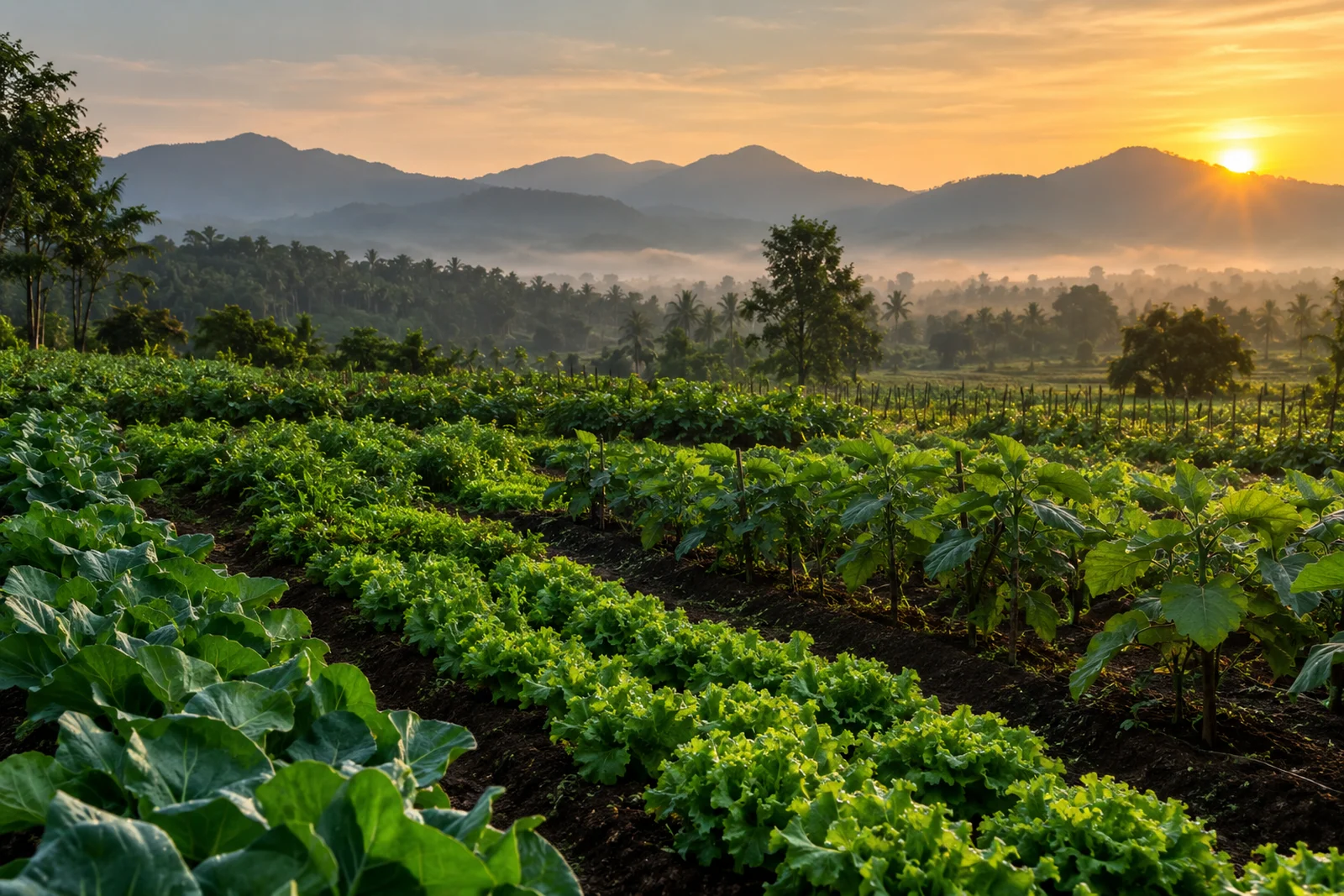
Organic Farming, Concepts and Characteristics
Organic farming is the key factor to protect the earth's resources sustainably. To utilize earth’s natural resources in such a way to avoid damage to nature and thes…
Explore the guide ↗Benefits of Organic Farming
Organic farming is the best way for our environmental protection. Human health, animal health, soil health and strength, air freshener, and water purity are linked w…
Explore the guide ↗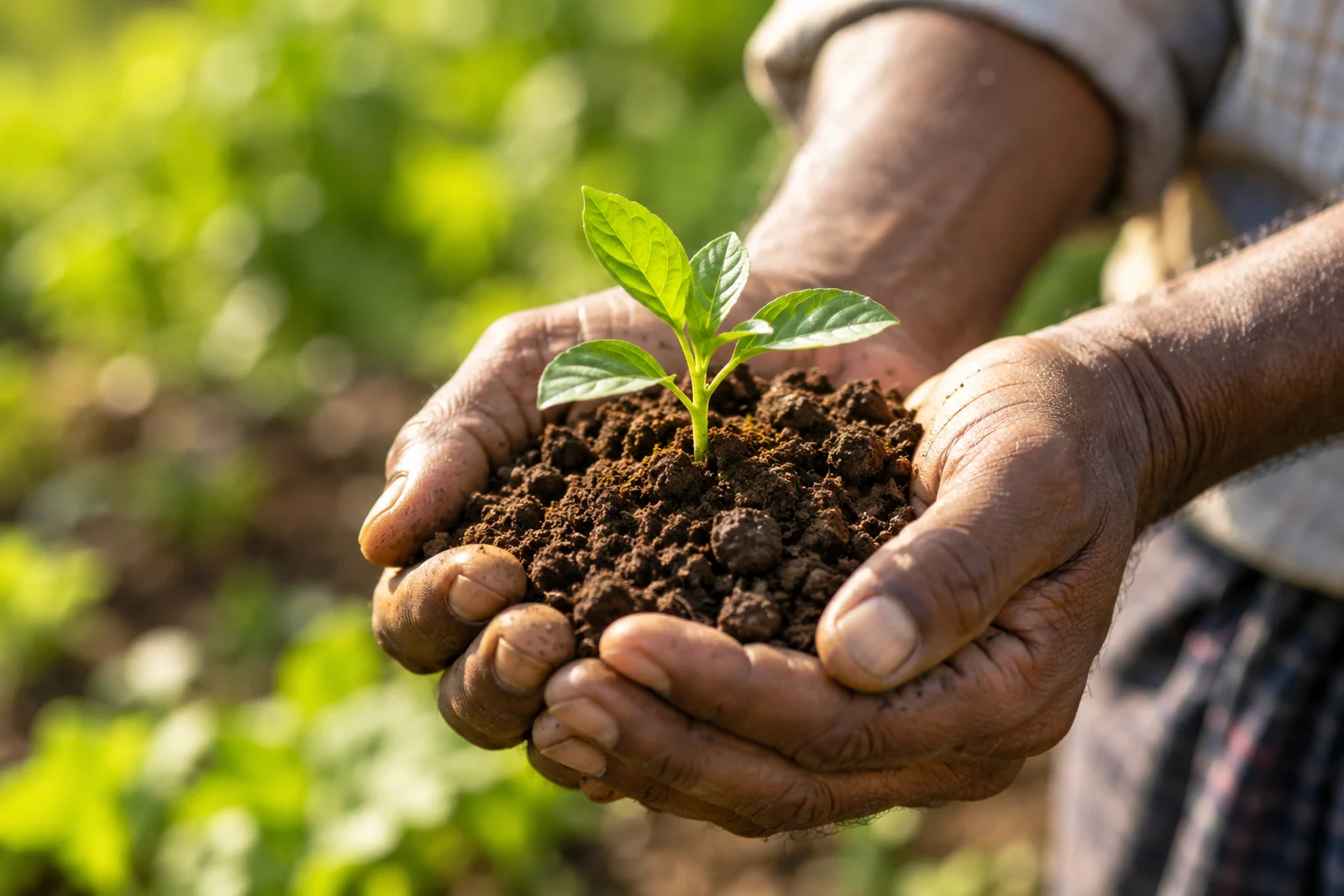
Principles of Organic Farming
Word “Organic” means “Acquired from living things”. Organic farming is an active process of making soil healthy and provides a dynamic living system for the world. O…
Explore the guide ↗Types & Approaches of Organic Farming
Organic farming is getting popular day by day in developing and developed nations as people are becoming more aware of the impacts of conventional farming on human h…
Explore the guide ↗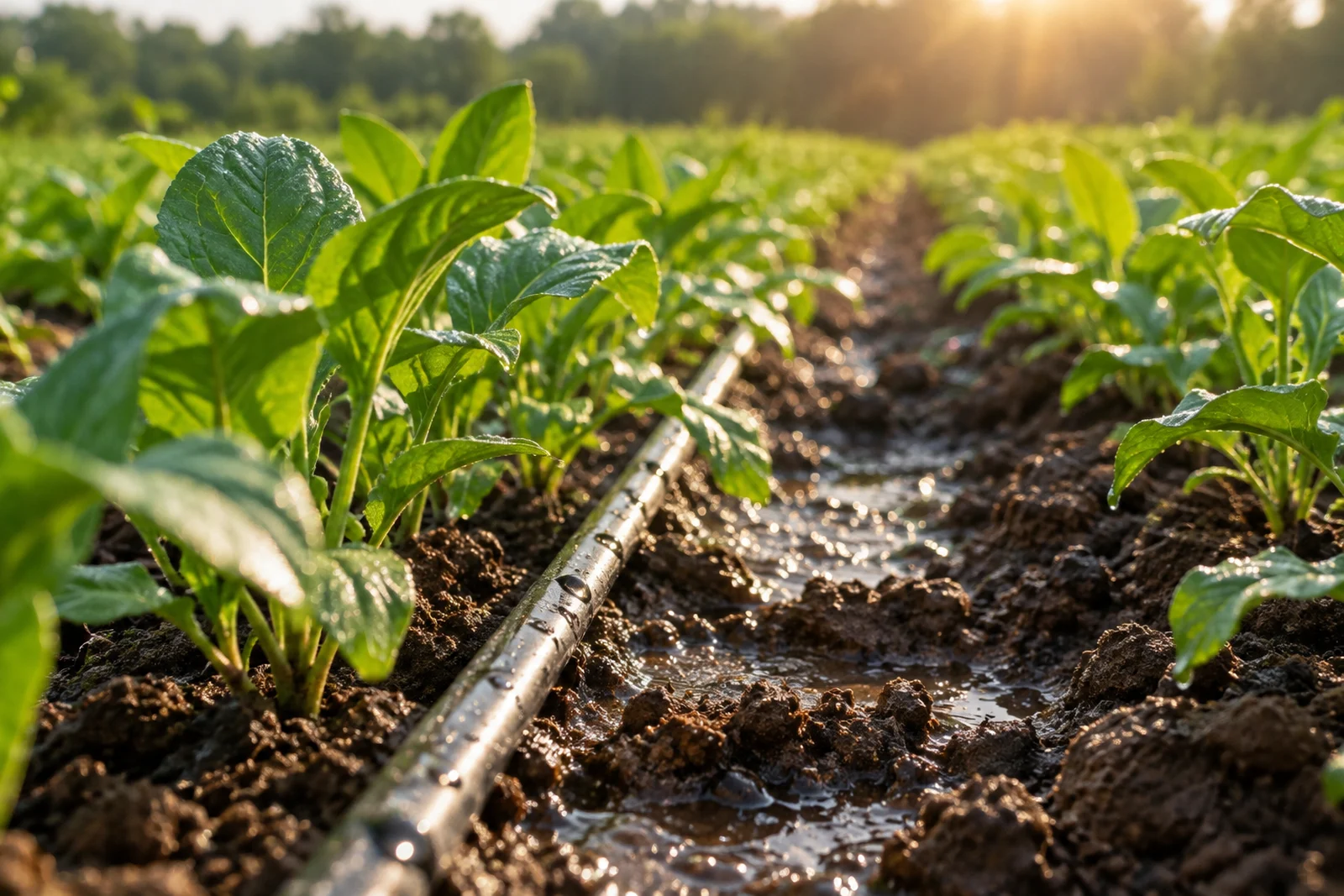
Importance of Mulching in Organic Farming
Mulching is an eco-friendly agricultural practice that improves the overall health of the soil. In organic farming, the land is covered with a layer of natural organ…
Explore the guide ↗Composting for Organic Farming
The success of organic farming at the global level is hidden in its different elements and compost is one of the important elements of organic farming. Compost worke…
Explore the guide ↗Vermicompost & Vermiwash for Organic Farming
Vermicomposting and Vermiwashing have derived the attention of organic farmers and producers for a few years due to their environmental benefits. Earthworm plays an …
Explore the guide ↗Weed Control in Organic Farming
The growth of unwanted plants called weeds in the farms can be disturbing for an organic farmer. But it is a fact of nature that weeds grow and affect the overall he…
Explore the guide ↗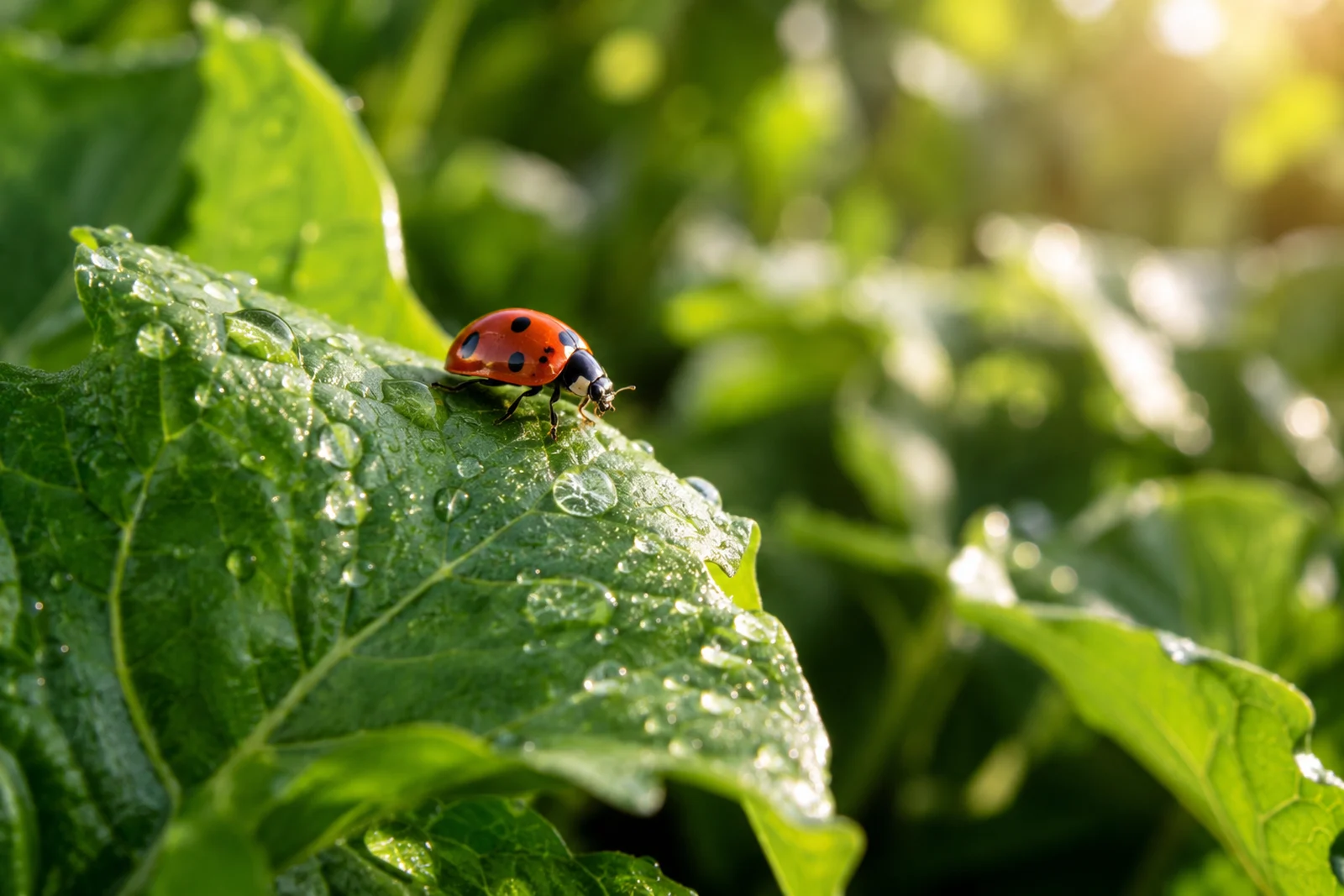
Beneficial Bugs in Organic Farming
Bugs and beneficial? Is it possible? Of course, it is. Beneficial bugs, also known as friendly insects, are used as biological pest management in organic farming. Th…
Explore the guide ↗Bio-fertilizers for Organic Farming
Over a few years, the use of bio-fertilizers gets rid of humans from the hazardous effects of chemical fertilizers on food, soil, health, and the ecosystem. They are…
Explore the guide ↗Pest Management in Organic Farming with Biopesticides
Pest management is universally practiced in traditional and organic farming and traditional farmers have to invest millions of rupees to protect their fields from th…
Explore the guide ↗Protected Cultivation Techniques
Protected cultivation means growing crops in an environment where several environmental factors are controlled according to crop requirements. These factors include …
Explore the guide ↗Crop Rotation Practices in Organic Farming
Crop rotation is an important part of Field and Crop management and planned order of planting crops. It is a prehistoric agricultural practice that has evolved in th…
Explore the guide ↗Irrigation Techniques for Sustainable Agriculture
Sustainability in every field of life is necessary these days. We have to introduce such methods and techniques which can conserve our earth's natural resources, tha…
Explore the guide ↗Micronutrient Solution Based on Waste Decomposer
Organic farming is all about using natural resources for the maintenance of soil health, quality crop production, and pest management. Plants require all the essenti…
Explore the guide ↗Pheromone and Sticky Traps
Pheromones are the chemicals that insects secrete to inform other insects about danger, sex, or location. Pheromone traps are used as organic pest control in organic…
Explore the guide ↗Minimum or Zero Tillage in Organic Farming
Tillage is a technique in which soil is prepared for crop production through a mechanical process. It involves cutting, milling, crushing, beating, and rebound. Main…
Explore the guide ↗Plantation Techniques in Organic Farming
In organic farming, different techniques are used to grow different crops. Most important thing is that crops must be grown in a chemical-free, pollution-free, healt…
Explore the guide ↗No guides match your search. Try another word or choose All.