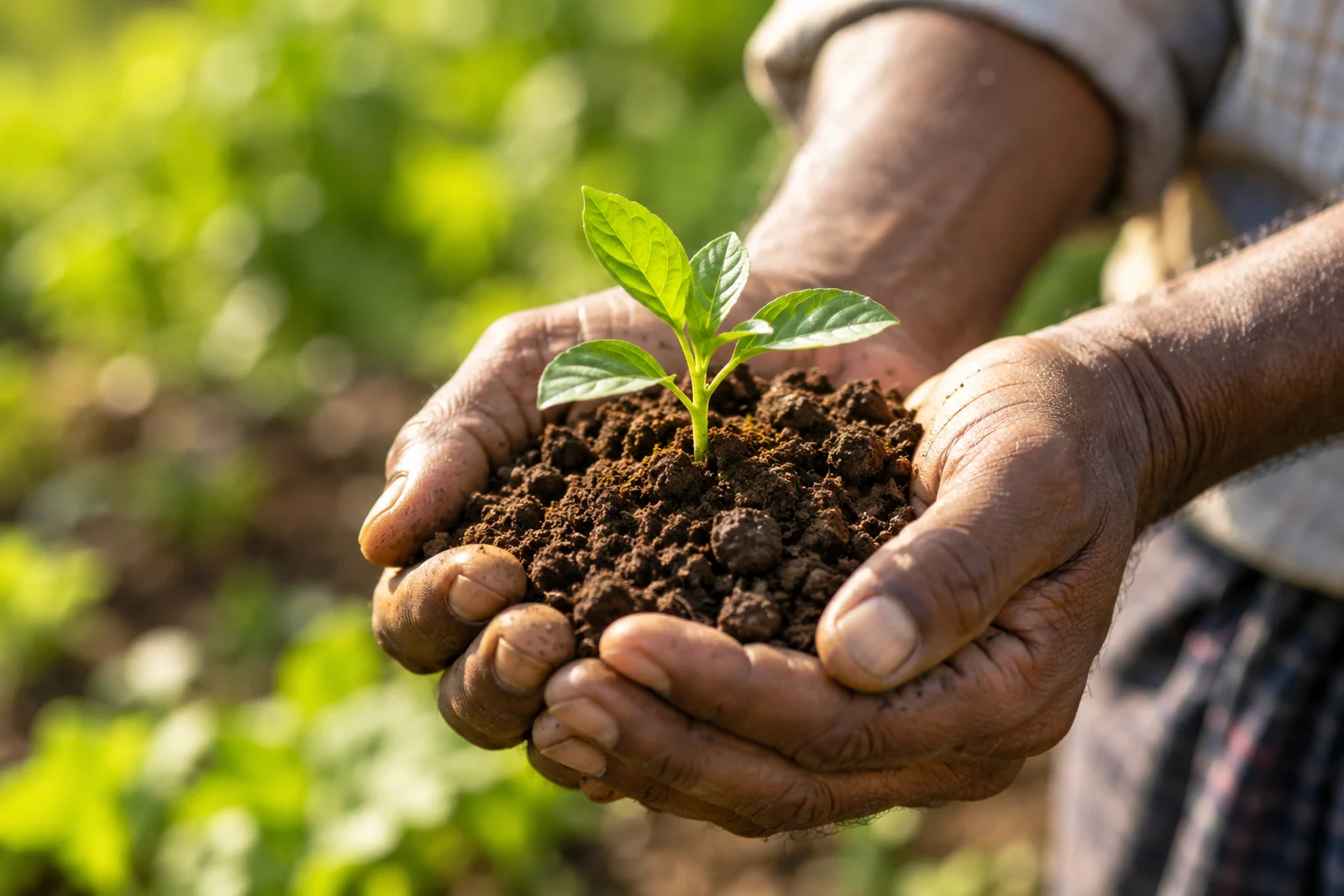
Feed the soil.
Let life flourish.
Build a living foundation with compost, organic matter and less unnecessary disturbance.
Explore soil care ↗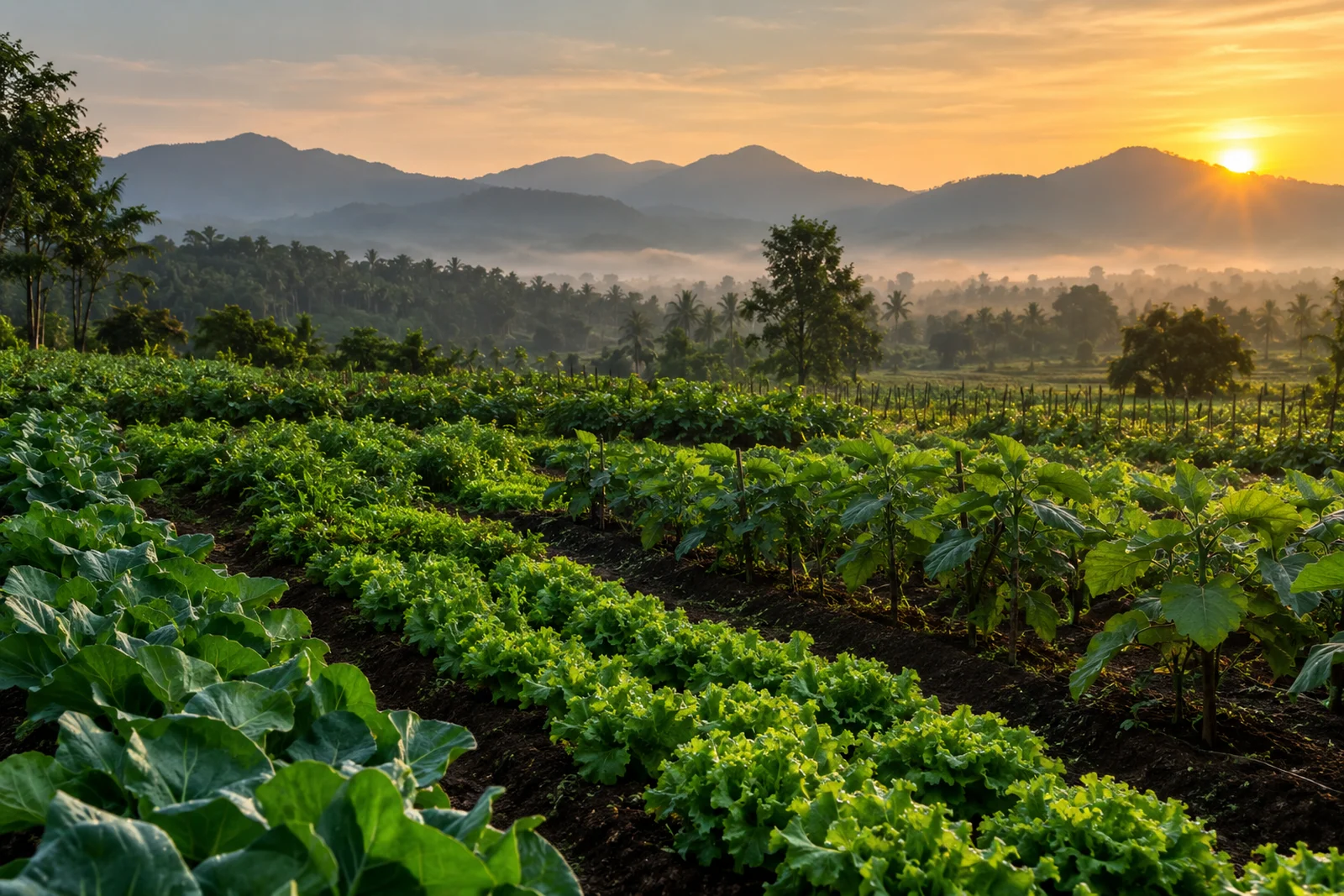
For the land that nurtures us.
For the generations that follow.
A farm is more than a field.
It’s a living connection.
Between the soil and the seed. Between water and growth. Between the hands that nurture the land and the lives it sustains.
SGF Organic brings these connections into focus—with practical knowledge for a more thoughtful way of growing in India.
Meet SGF Organic ↗Build a living foundation with compost, organic matter and less unnecessary disturbance.
Explore soil care ↗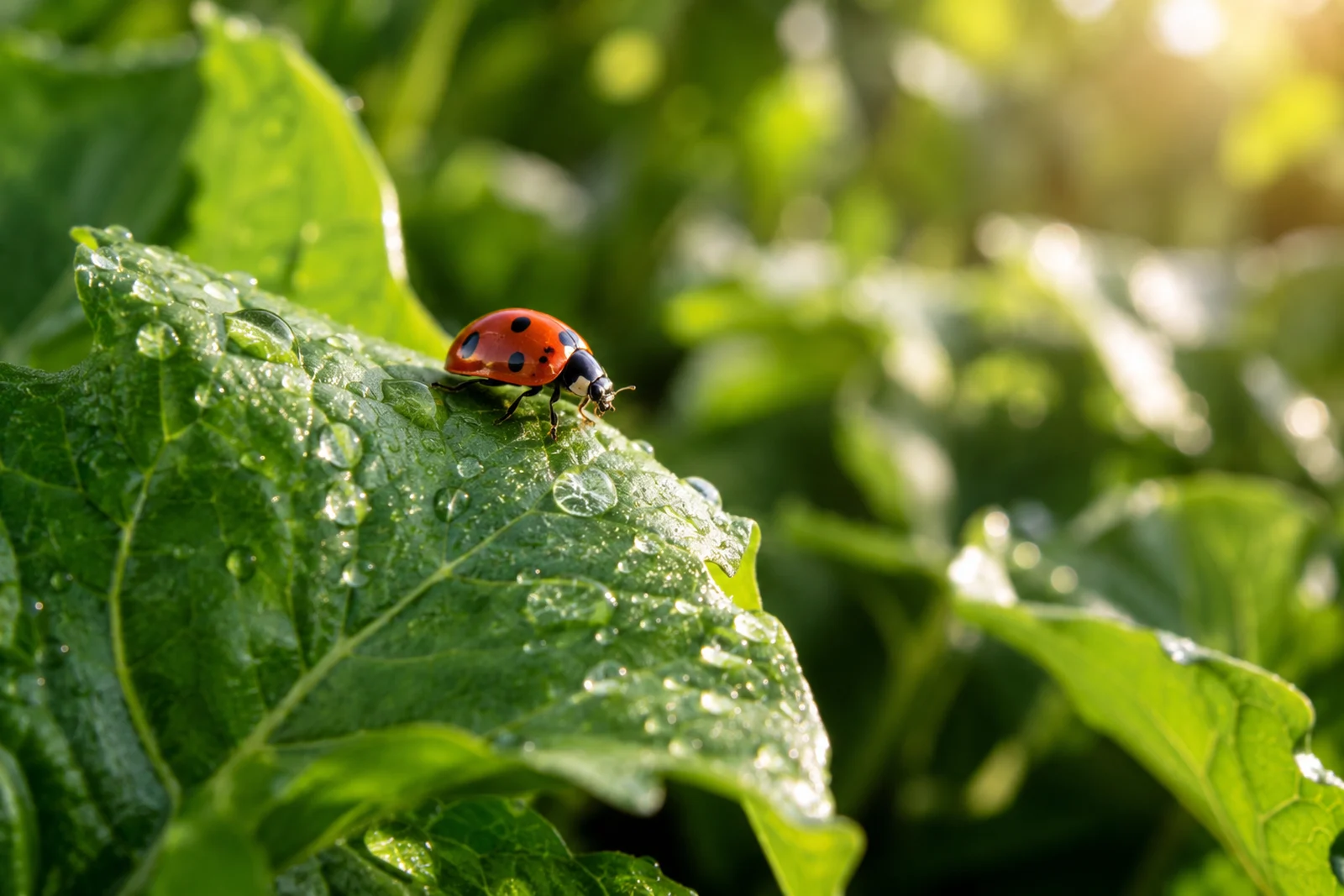
Bring diversity into your fields with rotations, friendly insects and thoughtful crop choices.
Explore crop care ↗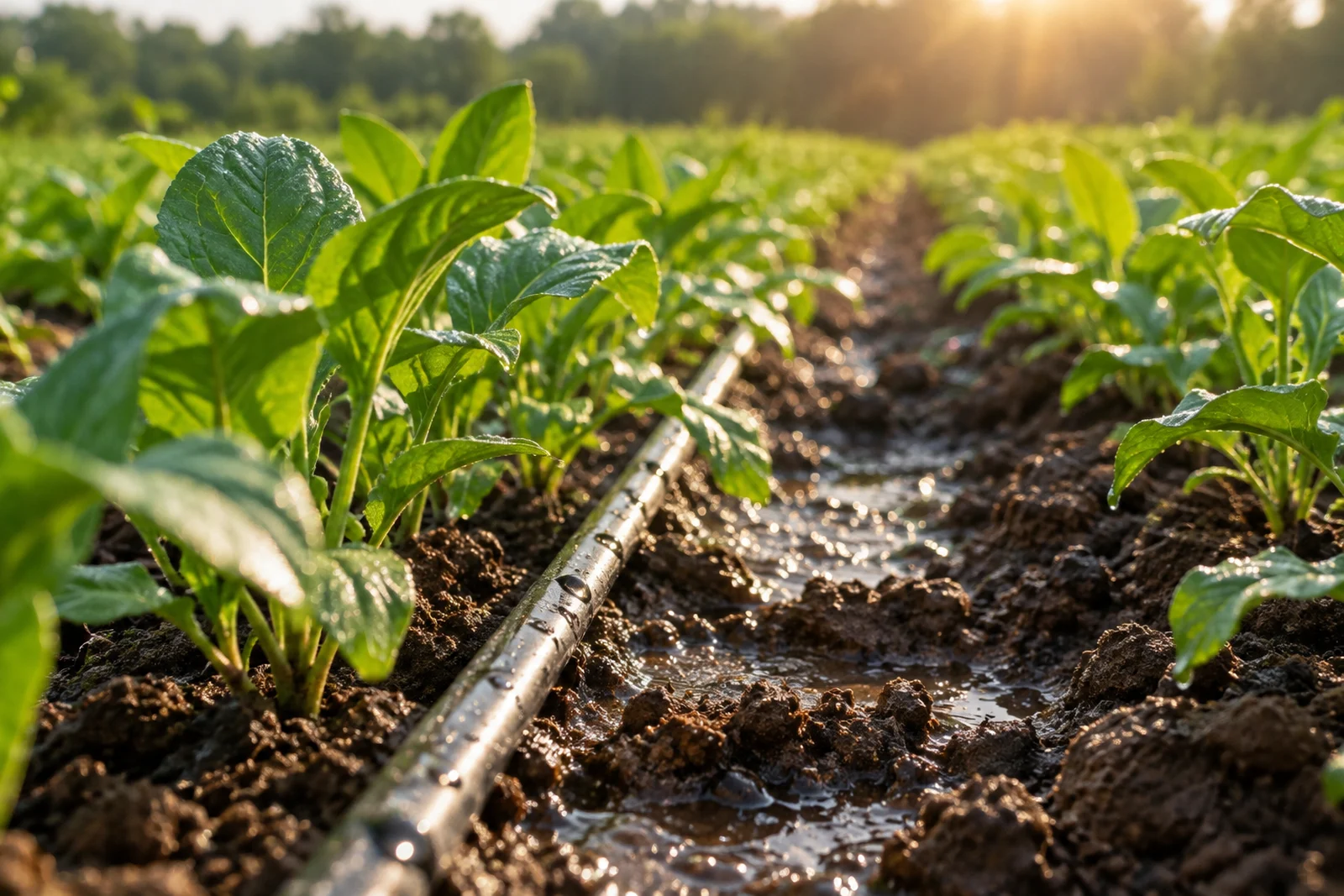
Use water and farm resources carefully so the next generation can keep growing.
Explore water care ↗Mulching is an eco-friendly agricultural practice that improves the overall health of the soil. In organic farming, the land is covered with a layer of natural organ…
Explore the guide ↗The success of organic farming at the global level is hidden in its different elements and compost is one of the important elements of organic farming. Compost worke…
Explore the guide ↗Crop rotation is an important part of Field and Crop management and planned order of planting crops. It is a prehistoric agricultural practice that has evolved in th…
Explore the guide ↗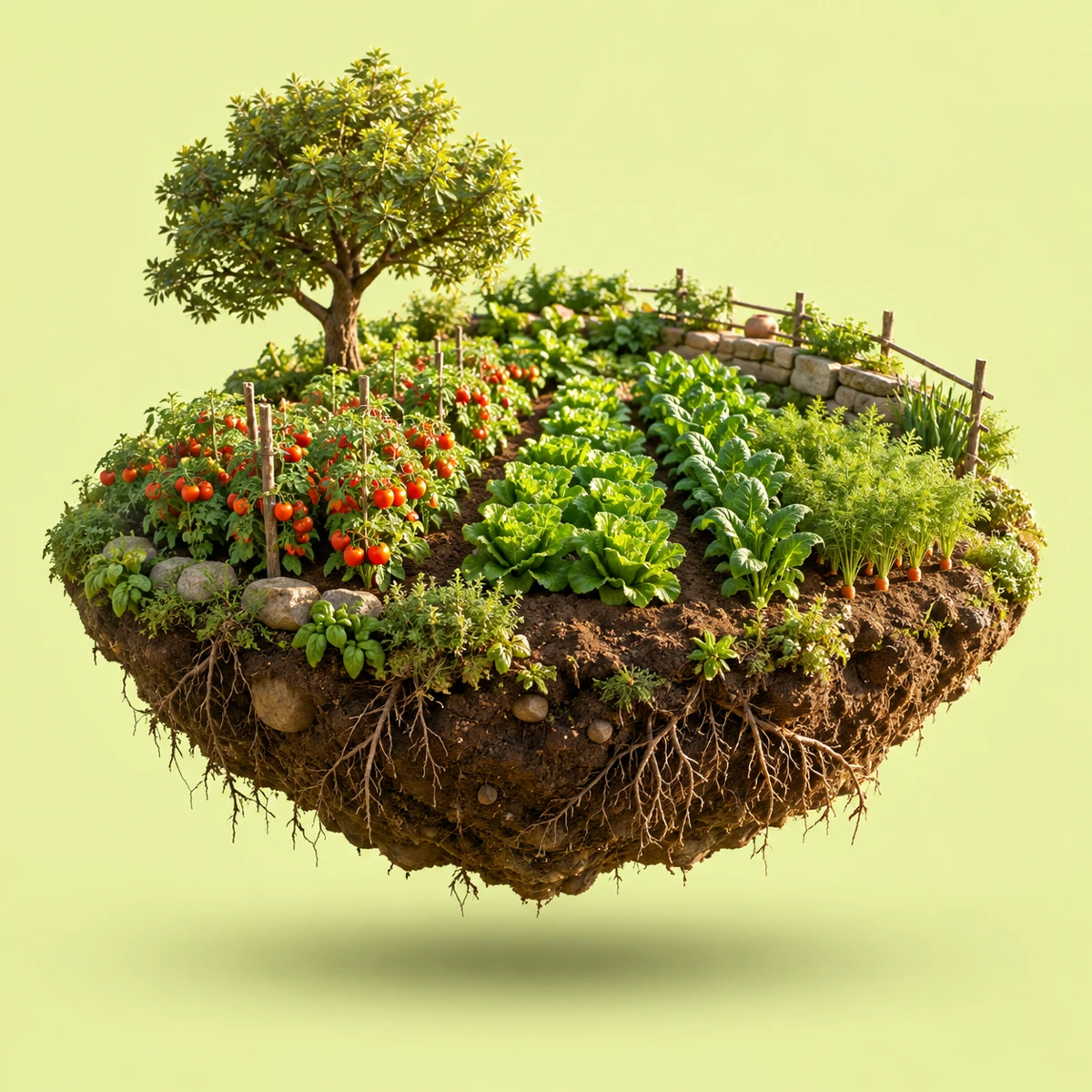 A LIVING SYSTEM,
FROM THE ROOTS UP.
Organic matter, roots, earthworms and microorganisms all play a part in a living soil system. Give that system attention, and you give your crops a better foundation.
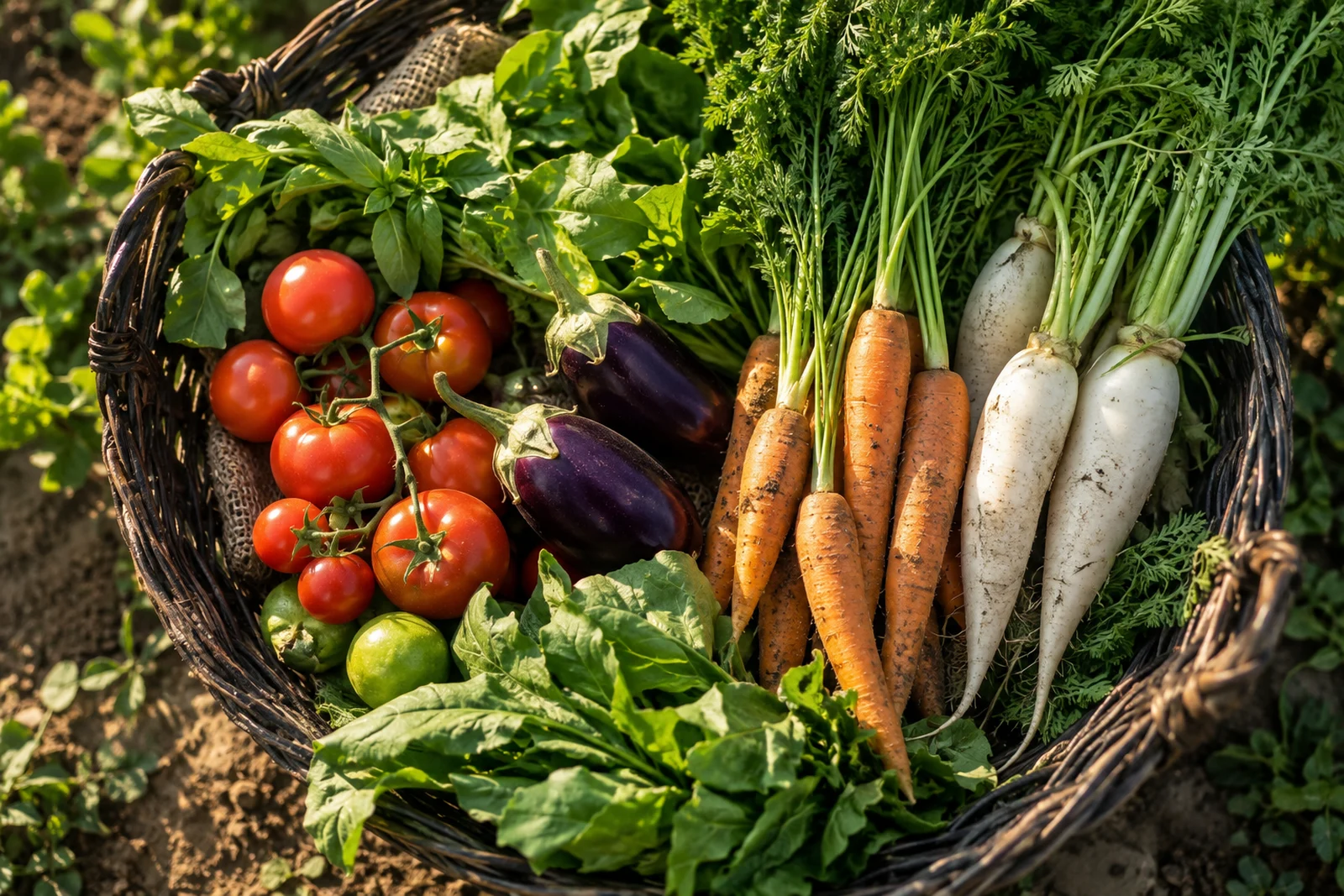
Vegetables, seasonal fruits, grains and pulses—explore their connection to thoughtful organic farming.
01Colour, variety and a connection to the growing season.
Explore the growing practices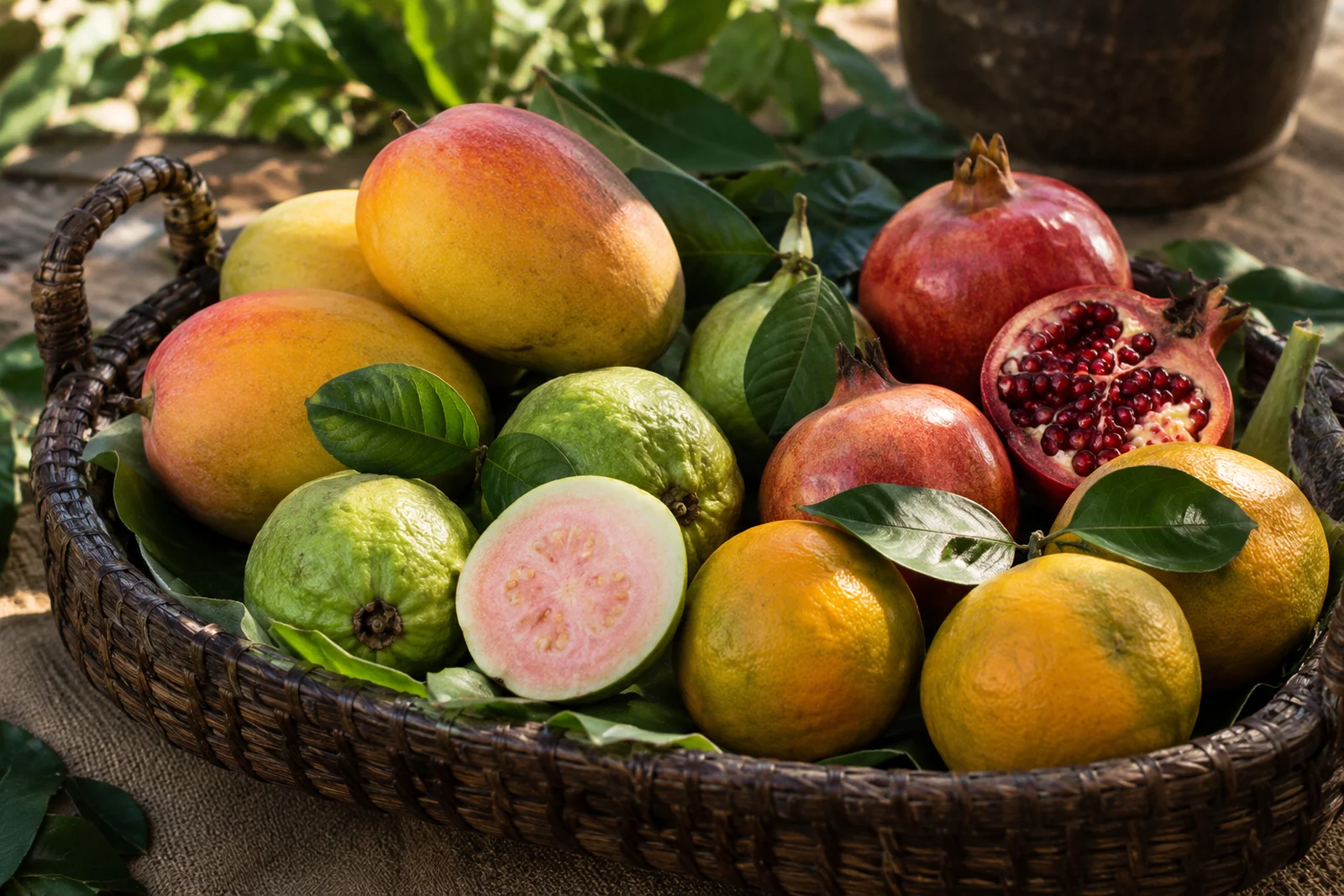 02
Different seasons. Different flavours. The same care for the land.
Explore the growing practices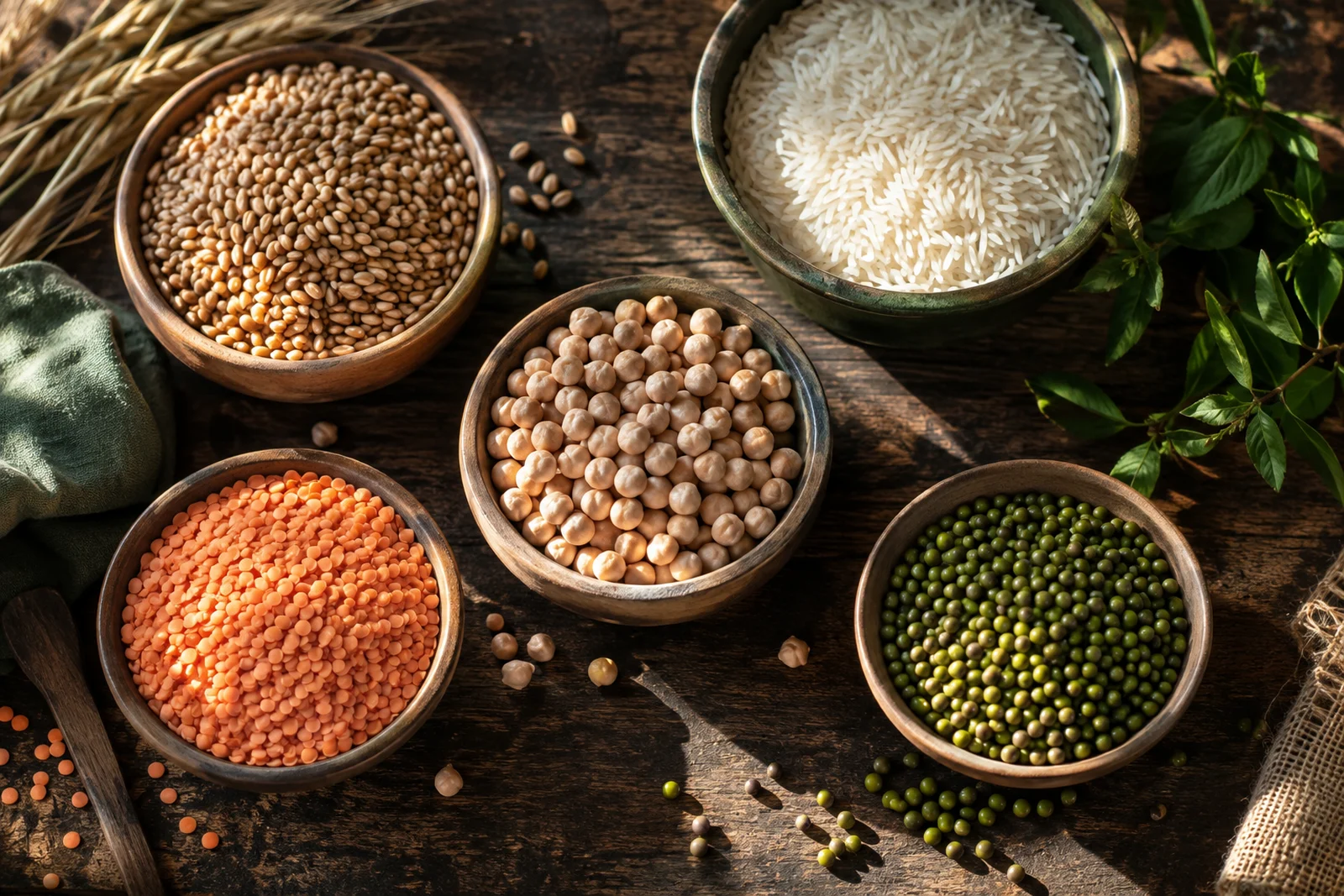 03
Everyday staples, rooted in crop diversity and thoughtful rotations.
Explore the growing practicesA thoughtful transition begins with observation, practical steps and a willingness to learn.
Every farm is different.
Let yours teach you.
Observe your soil, water, crops and local growing conditions. Let the field guide the first decision.
Begin with composting, mulching or a planned rotation. A manageable start gives you room to learn.
Look closely at crop growth, moisture and insect activity. Keep a simple record across the season.
Build on what works. Adapt your approach and seek guidance that reflects your region and resources.
Bugs and beneficial? Is it possible? Of course, it is. Beneficial bugs, also known as friendly insects, are used as biological pest management in organic farming. Th…
Explore the guide ↗Sustainability in every field of life is necessary these days. We have to introduce such methods and techniques which can conserve our earth's natural resources, tha…
Explore the guide ↗Pheromones are the chemicals that insects secrete to inform other insects about danger, sex, or location. Pheromone traps are used as organic pest control in organic…
Explore the guide ↗Some answers for your first steps into organic farming.
It is a farming approach that focuses on soil health, ecological processes and carefully managed inputs. Explore our foundations guide for an introduction.
Yes. A manageable plot lets you observe, keep records and learn before extending practices to more land.
No. Soil, rainfall, water availability and crops vary. Adapt practices to local conditions with appropriate agricultural guidance.
No. These are educational guides. Certification is a separate process with applicable standards, records and verification requirements.
Begin with concepts and principles, then explore soil care, composting and crop rotation in our learning hub.
For our soil. For our farms. For the generations to come.
Find your first guide ↗